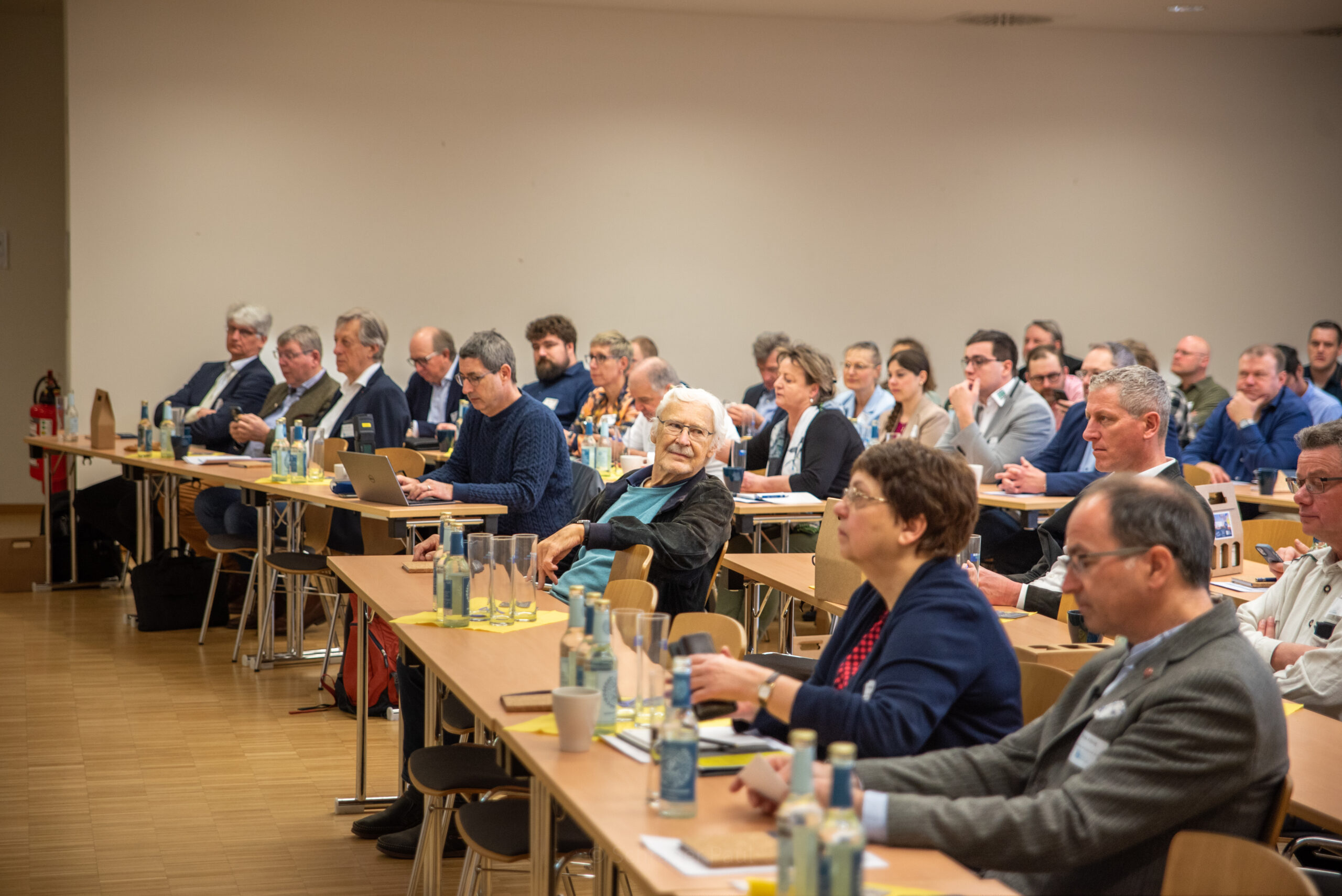
On March 10, 2025, the 21st Rohstoffseminar (Seminar on Raw Materials) took place as part of the Weihenstephan Technology Seminar (TSW) – as in the previous year under the patronage of the Braugersten Gemeisnchaft e.V. The seminar was once again very well attended: around 100 participants from breeding, agriculture, malting, brewing, and research gathered at the TUM campus.
The atmosphere was characterized by curiosity and lively discussion. Collegial exchange was particularly vibrant during the breaks – in the sunshine on the rooftop terrace or in the evening over a freshly tapped beer from the research brewery. Walter König opened the event and emphasized the importance of continuous collaboration along the value chain – from breeding to the finished beer.
The seminar once again demonstrated that brewing raw materials are not only the starting point of the product but also carriers of innovation potential. In particular, the breeders’ meeting, traditionally held as part of the seminar, highlighted the focus on barley as a central crop in brewing.
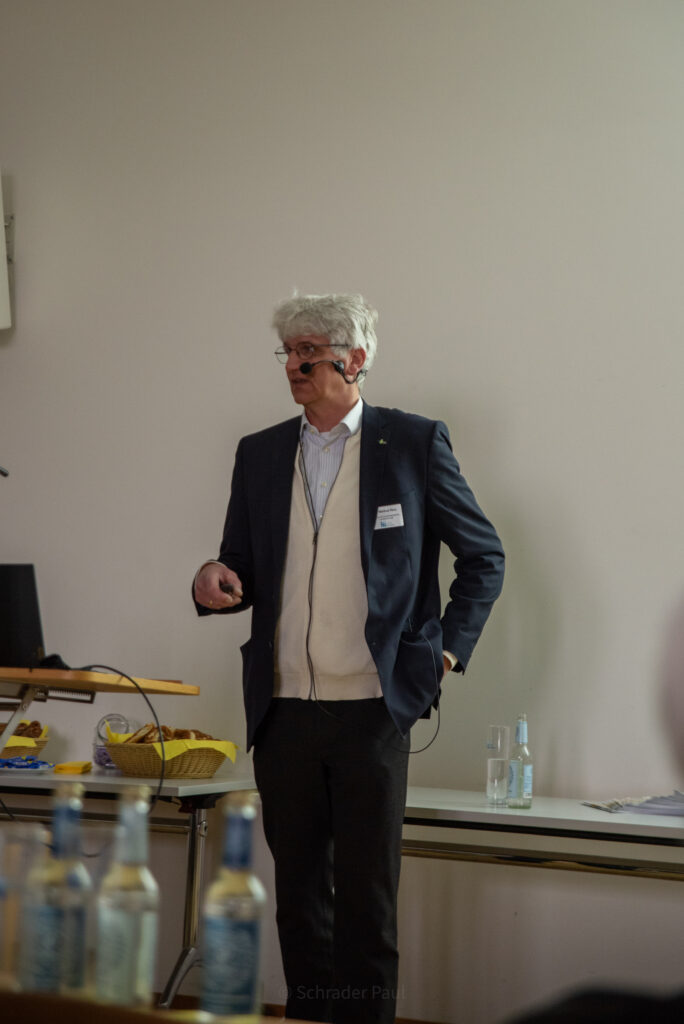
Dr. Markus Herz – Site selection for winter and spring brewing barley
A cross-regional research project is investigating which locations will be suitable for growing winter and spring brewing barley in the future. The goal is to identify stable climatic conditions and provide farmers with long-term planning security. Particular focus is on cooler areas in southern and eastern Germany. Initial data has already been collected, but final statements on variety suitability are expected from 2026 onward.
Dr. Hermann Kretschmer – Hygiene and Pest Prevention in the Malt House
The presentation highlights the importance of operational hygiene and pest management in malt houses, particularly in older building structures. In addition to traditional cleaning methods, digital monitoring approaches were presented. A systematic approach and hygienic design are crucial to minimize contamination risks. Furthermore, alternatives to conventional pest control and an emergency action plan were introduced.
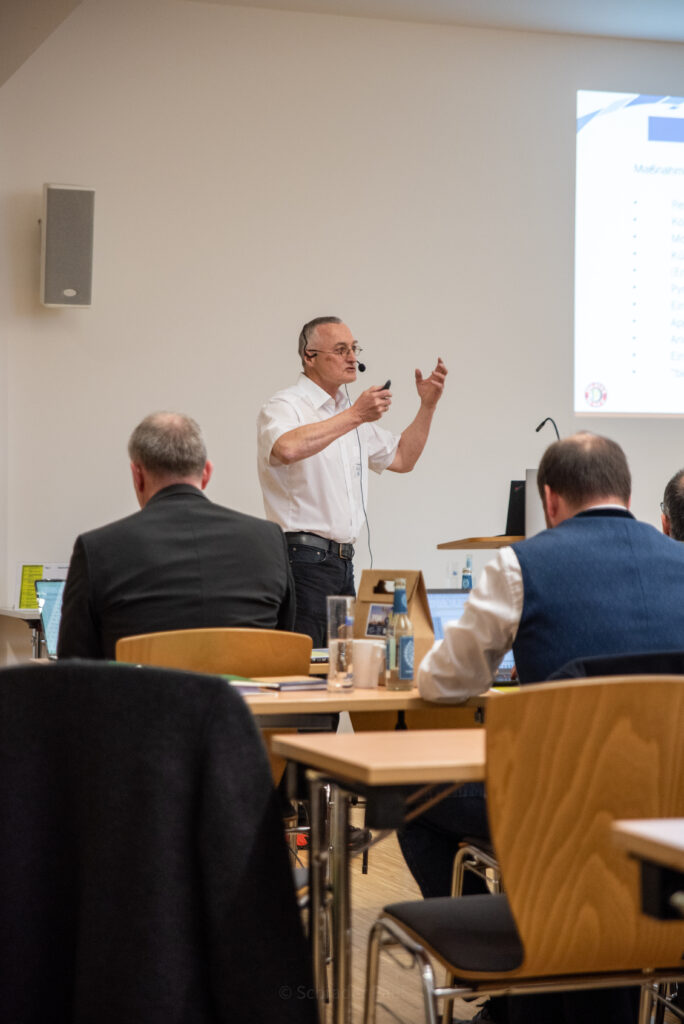
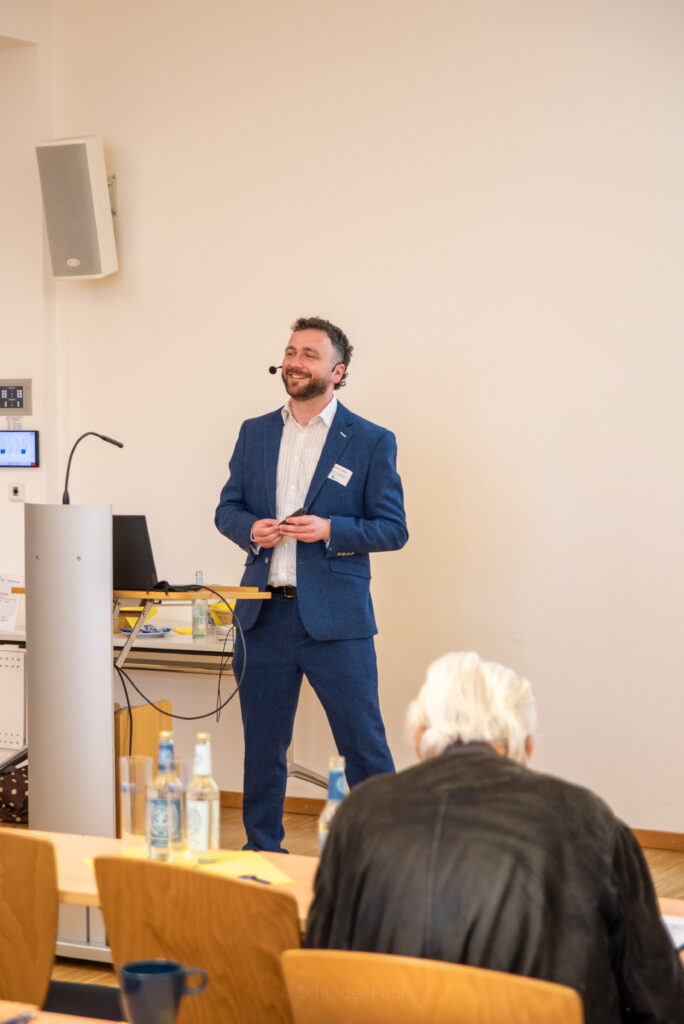
Fabian Lauck – Specialty Malts for Grain Spirits
The focus was on the flavor-enhancing influence of specialty malts in distillation. Especially in beer spirits and ‘new make’ without barrel aging, the character is created exclusively by the raw materials used – an opportunity for breweries to tap into new product segments. Tastings with different malt types revealed a wide aroma spectrum ranging from dried fruit to chocolate and cocoa notes. The presentation advocated for a closer connection between brewing and distilling technology.
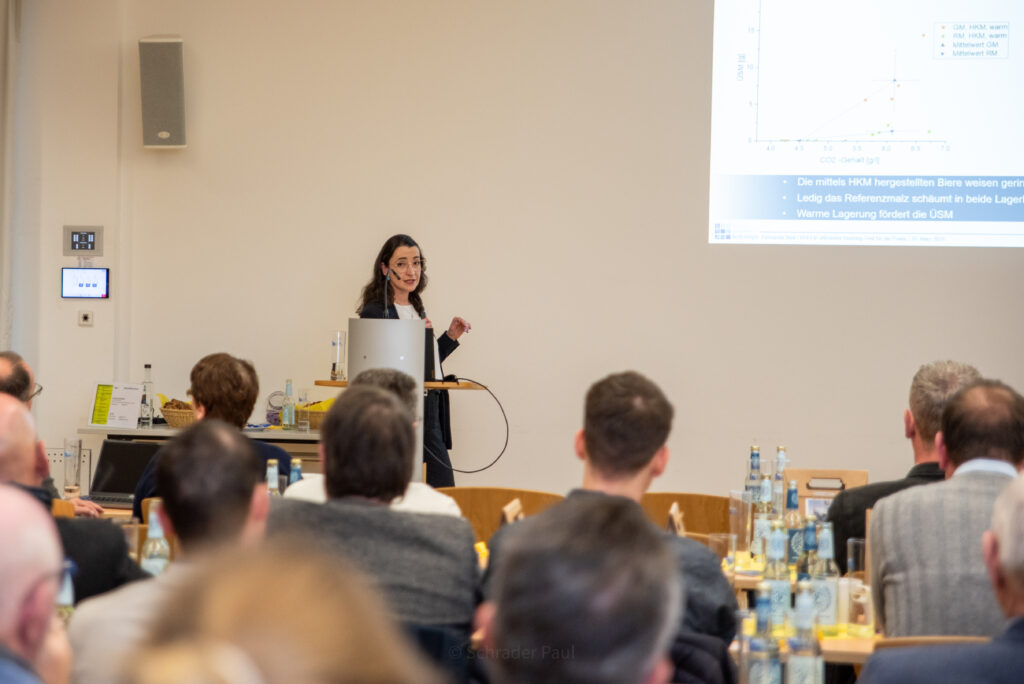
Fernanda Steil – Practical Gushing Test
The presentation addressed the development of a new, practice-oriented gushing test for the early detection of potential overfoaming risks. Unlike established methods, the proposed approach considers all process steps up to bottling and combines standardized storage conditions with a controlled temperature shock treatment. Initial results showed good agreement with known gushing susceptibilities – a promising approach to ensuring product quality.
Dr. Bertram Sacher – Heat-Stable Malt Enzymes
Against the backdrop of rising temperatures, the focus on enzyme stability in malt quality is becoming increasingly important. The presentation introduced approaches to breeding heat-stable enzymes and discussed the potential influence of inhibitors on process stability. Special attention was given to the enzyme inhibitor BASI, which can be reduced through breeding measures. The goal is improved performance under summer brewing conditions while reducing energy input.
Eleonora Tissen – Gluten Analysis in Beer
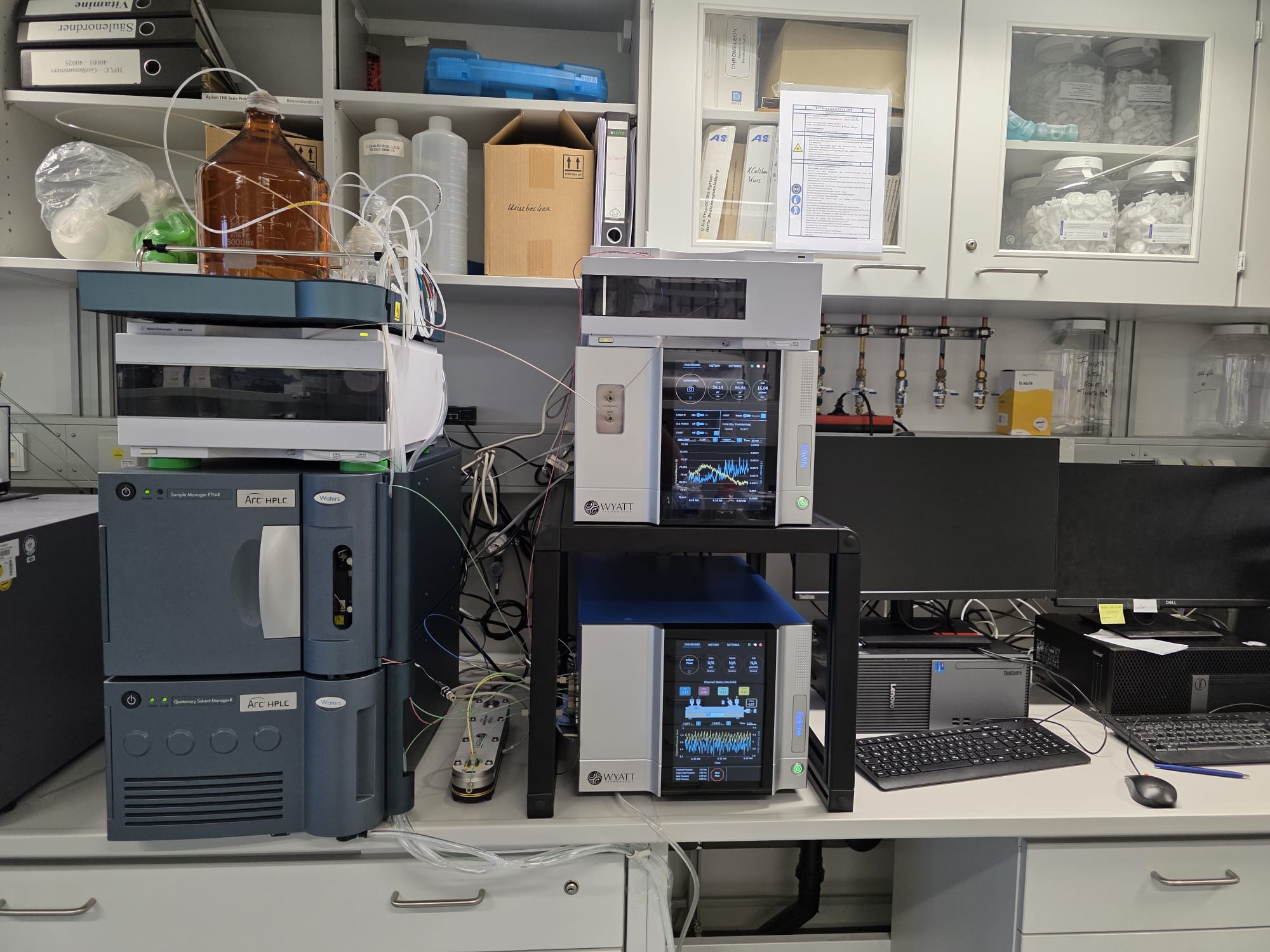
The presentation focused on a new LC-MS/MS method for determining celiac disease-relevant peptides in beer. The technique uses isotope-labeled reference peptides and offers significant advantages over common ELISA methods, as it also detects peptides that are difficult to identify. An investigation of gluten-free and conventional beers revealed considerable differences in gluten content – with potential implications for product safety in celiac disease.
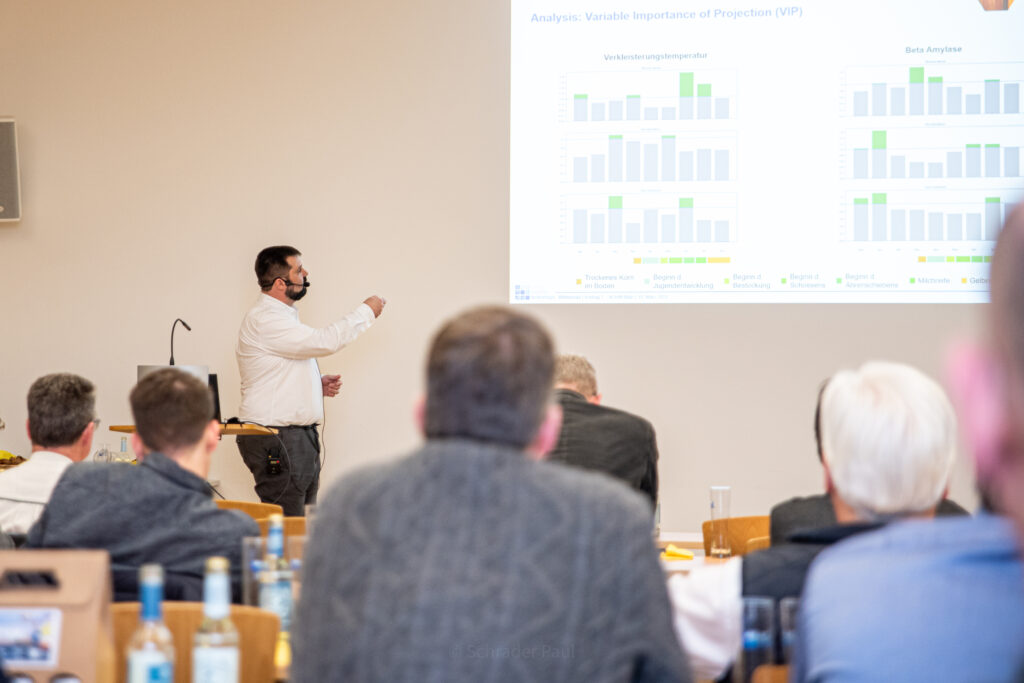
Iain Whitehead – AI-Based Predictions for Malt Quality
How can the quality and potential of malting barley be better assessed as early as sowing? The presentation demonstrated how weather and cultivation data can be analyzed early using artificial intelligence. Based on neural networks trained with data from the Berlin Program, initial conclusions about malt parameters can be drawn. The models presented impressively illustrate the potential of data-driven decisions for breeding and cultivation planning.
Dr. Jennifer Schneiderbanger – Variety Presentation: Berliner Programm
The presentation focused on the latest results of variety evaluation within the Berliner Programm. Ostara has proven itself on an industrial scale and now receives a processing recommendation. The varieties Excalibur and Baryton are moving into the next testing phase. The presented evaluation system links agronomic performance with processing quality – enabling an objective selection of suitable varieties for practical use.
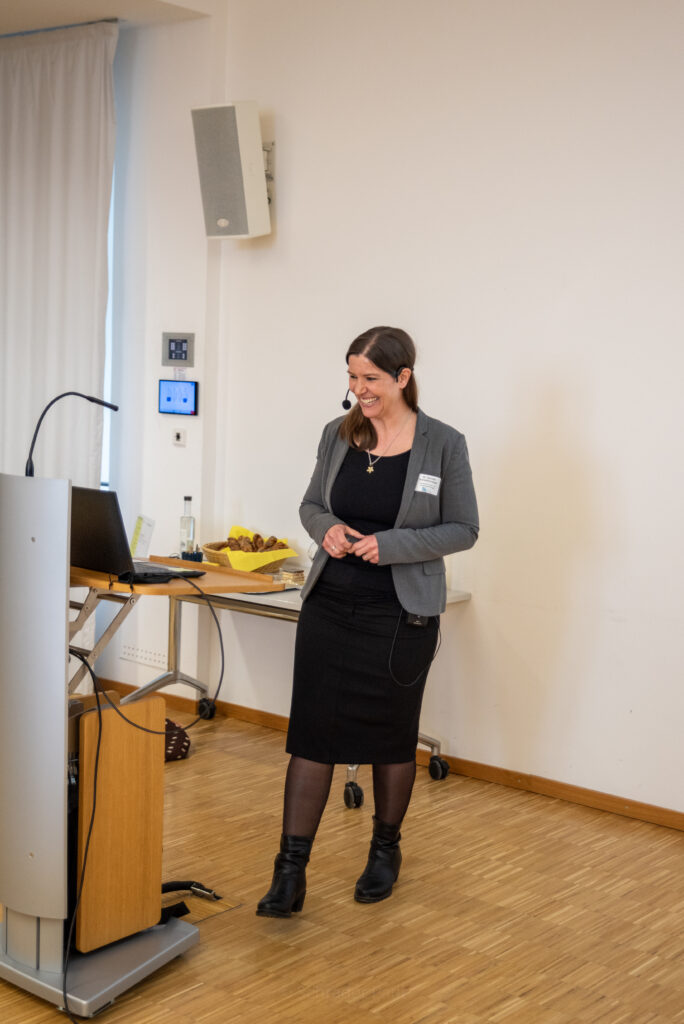
We would like to thank all speakers, participants, and contributors, especially the team of the Chair of Brewing and Beverage Technology for their on-site support. Our thanks also go to our patron, the Braugersten Gemeinschaft e.V., for their long-standing support of the Rohstoffseminar.
The strong participation, inspiring conversations, and evident interest in raw material topics show how relevant this exchange is—not only for research but also for practice. We look forward to hosting the 22nd Rohstoffseminar next year—once again in calendar week 11.